
In 2026, many GS authors make outstanding contributions to our journal. Their articles published with us have received very well feedback in the field and stimulate a lot of discussions and new insights among the peers.
Hereby, we would like to highlight some of our outstanding authors who have been making immense efforts in their research fields, with a brief interview of their unique perspective and insightful view as authors.
Outstanding Authors (2026)
Aditya S. Shirali, The University of Florida College of Medicine, USA
Tiago G. Reina Di Nunzio, Affidea Plastic Surgery Group, Switzerland
Gavin Low, The University of Alberta, Canada
Juan J. Díez, Hospital Universitario Puerta de Hierro Majadahonda, Spain
Mustafa Khanbhai, KK Women’s and Children’s Hospital, Singapore
Raffi Gurunian, Cleveland Clinic Abu Dhabi, United Arab Emirates
Nunzia Cinzia Paladino, Aix-Marseille University, France
Naotake Funamizu, Ehime University Graduate School of Medicine, Japan
Outstanding Author
Aditya S. Shirali
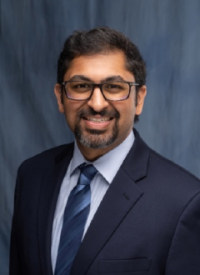
Dr. Aditya S. Shirali is an Assistant Professor of Surgery and Section Chief of Endocrine Surgery at the University of Florida College of Medicine. He is a board-certified endocrine surgeon with clinical expertise in thyroid, parathyroid, and adrenal disease. His research focuses on endocrine surgery in older adults, with particular interest in the intersection of aging biology and tumor immunology in endocrine oncologic diseases and skeletal muscle function and functional recovery after parathyroidectomy. His recent work has examined age-related changes in the tumor immune microenvironment in thyroid cancer and the effects of primary hyperparathyroidism on mobility and muscle health. He currently leads multiple funded projects, including studies supported by the National Institute on Aging, the UF Claude D. Pepper Older Americans Independence Center, and the American Thyroid Association. He is also deeply committed to surgical education, mentorship, and advancing patient-centered endocrine surgical care.
Dr. Shirali thinks that a good academic paper begins with an important question—ideally one that the researcher is genuinely passionate about and has direct clinical or practical experience with. That connection often leads to more meaningful questions and more thoughtful interpretation of results. The paper should answer the question clearly, using rigorous and appropriate methods, while remaining transparent about its limitations. Strong papers are not only methodologically sound but also grounded in real-world relevance. Ultimately, a good paper moves the field forward—whether by improving understanding, informing future research, or meaningfully impacting patient care.
According to Dr. Shirali, avoiding bias starts well before the writing phase. It is critical to involve collaborators early when developing the research question and methodology, as diverse perspectives can help identify potential assumptions or blind spots. Bias is most consequential at the level of study design, where it can directly influence the results and their interpretation. Addressing these issues early not only strengthens the validity of the work but also saves significant time and effort later. During the writing process, authors should remain transparent, avoid overstating conclusions, and clearly distinguish between findings and interpretation. Thoughtful planning and early feedback are essential to producing balanced, credible research.
“Academic writing can be a demanding and iterative process, and the peer review process may at times feel challenging. However, when executed well, peer review provides an important and often unbiased way of evaluating a study. In my experience, it most often strengthens both the science and the paper—helping refine methods, clarify interpretation, and improve overall rigor. This ultimately leads to stronger results that have a more lasting impact in clinical medicine. My encouragement to other writers is to stay curious, stay rigorous, and embrace the process. The goal is not only to publish, but to communicate something meaningful, credible, and enduring that advances both science and patient care,” says Dr. Shirali.
(by Sasa Zhu, Brad Li)
Tiago G. Reina Di Nunzio
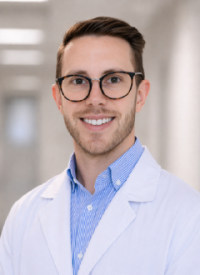
Dr. Tiago G. Reina Di Nunzio is a plastic and reconstructive surgeon trained in Argentina. After serving as Chief Resident at the National Hospital “Profesor Alejandro Posadas” in Buenos Aires, he pursued further specialization in oncoplastic breast reconstruction and microsurgery within the multidisciplinary breast program at Affidea in Zurich, Switzerland. Working closely with both the Breast Center and Plastic Surgery teams, he developed a strong clinical and academic interest in breast cancer surgery, reconstructive microsurgery, and multidisciplinary breast care. His clinical and research interests focus on oncoplastic and microsurgical breast reconstruction, perioperative optimization, and patient-reported outcomes. His recent work includes a narrative review on perioperative care in autologous breast reconstruction, alongside ongoing research on surgical outcomes and patient-reported measures in microsurgical breast reconstruction. He is particularly interested in bridging clinical practice and research to promote evidence-based, patient-centered decision-making across the continuum of breast cancer treatment and reconstruction.
According to Dr. Reina Di Nunzio, a good academic paper should start with a clear and relevant research question, ensuring that the study addresses a meaningful problem and contributes to advancing knowledge. Methodological rigor and transparency are fundamental, but clarity in communication is equally important. Even well-designed studies lose impact if their message is not clearly conveyed. An additional key element is the honest interpretation of results, including acknowledging limitations. This strengthens the credibility of the work and allows readers to better understand its implications. Collaboration also plays a central role. High-quality research often relies on teamwork between clinicians, statisticians, and other specialists, improving both the design and interpretation of the study.
Dr. Reina Di Nunzio thinks that academic writing is a unique opportunity to contribute to the advancement of knowledge and to have an impact beyond individual patient care. It allows authors to explore important questions in depth and often leads to insights that go beyond the initial objective. Although the process can be demanding, consistency is more important than intensity. Even small, regular progress can lead to meaningful results over time. Building a strong collaborative network is also essential. Sharing ideas and working with others not only improves the quality of research but also makes the process more engaging and rewarding. Ultimately, knowing that their work may contribute to improving patient outcomes is a powerful motivation to continue moving forward.
“My motivation for academic writing comes from the need to critically analyze and structure clinical experience. It allows me to move beyond intuition and individual cases, and to approach decision-making in a more systematic and reflective way. In reconstructive surgery, where many aspects of practice are still evolving, academic work provides a framework to question existing approaches and contribute to their refinement. Writing also represents a form of intellectual discipline. It requires organizing complex ideas, confronting uncertainties, and translating clinical experience into clear and meaningful concepts. Finally, academic writing is a way to actively engage with the evolution of the field, rather than passively following it. This continuous process of questioning and improvement is what motivates me to remain involved,” says Dr. Reina Di Nunzio.
(by Sasa Zhu, Brad Li)
Gavin Low
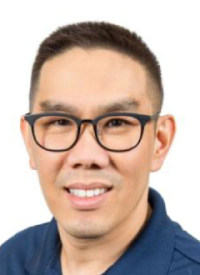
Dr. Gavin Low is a Professor in the Department of Radiology and Diagnostic Imaging at the University of Alberta in Canada. He holds degrees from the University of Edinburgh and the University of Cambridge. His Radiology training was completed at the University of the West of Scotland, followed by a Body Imaging Fellowship at the University of Alberta. His clinical and research interests focus on the non-invasive imaging characterization of focal lesions using ultrasound, CT, and MRI. Furthermore, he performs pre- and post-transplant imaging assessments for liver, kidney, pancreas, islet, and multivisceral transplants. He is also actively involved in quantitative liver parenchymal assessment using ultrasound and MR elastography, and has a keen interest in thyroid nodule scoring systems.
Dr. Low highlights the essential components of a well-structured academic paper. It should start with a relevant question or hypothesis that fills a gap in scientific knowledge. The methodology must be carefully planned, including randomization, a control group, and measures to reduce bias. Clearly state the inclusion and exclusion criteria for participants and estimate the necessary sample size for statistical power. Collect data carefully to ensure anonymity and report any missing data. Use appropriate statistical tests for analysis. In the discussion, clearly explain the evidence related to the hypothesis and place the findings in the context of existing knowledge. Conduct a thorough literature review and compare results with other studies. Finally, state the conclusions clearly and ensure they are backed by the results. Avoid generalizations and discuss the study’s potential impact thoughtfully.
Dr. Low reckons that bias is a core aspect of human nature, influenced by one’s personal experiences, education, cultural backgrounds, and perspectives. It is essential to acknowledge the existence of bias, as it can subconsciously influence one’s thinking and decision-making. Many online resources discuss the various types of bias researchers may encounter in scientific research and ways to mitigate these. By familiarizing themselves with these resources and maintaining an open mind while prioritizing objectivity and good evidence, researchers can help reduce bias in their writing.
“Be kind to yourself and give yourself room to fail. Success is not a straight path, and there are often bumps along the way. Stay patient and hopeful, and remember to take mini-breaks to avoid burnout. Remember, you do not have to do it alone. Seek advice and help from others. Research is a collaborative effort, with everybody contributing different skill sets, knowledge, and perspectives. Big problems are meant to be tackled together. Break these down into smaller, manageable blocks and delegate and share the workload between the research team,” says Dr. Low.
(by Sasa Zhu, Brad Li)
Juan J. Díez

Juan J. Díez is a Doctor in Medicine (Universidad Complutense of Madrid) and a specialist in Endocrinology and Nutrition. Other university studies that he holds are: Master's in Medical Direction and Clinical Management, and Master's in Biostatistics, Informatics, and Telemedicine. He currently holds the position of Head of the Endocrinology and Nutrition Department at the Hospital Universitario Puerta de Hierro Majadahonda (Madrid) and is, in addition, Associate Professor of Endocrinology at the Autonomous University of Madrid. Among other honors, he is a Full Member of the Royal Academy of Doctors of Spain. He has been Vice President of the Spanish Society of Endocrinology and Nutrition during 2022-2025. He has more than 400 publications of scientific articles in national and international journals and more than 200 presentations at scientific conferences and meetings. His areas of research interest include thyroid disease, with special dedication to thyroid cancer, neuroendocrinology, and hypoparathyroidism. He has been a reviewer for more than 40 national and international journals in his specialty and has an h-index of 45 according to Research Gate and 54 according to Google Scholar.
Dr. Díez considers a good academic paper as one that addresses a clearly defined and clinically or scientifically relevant question using a rigorous, transparent, and appropriate methodology, and that places its findings within the context of existing knowledge. It is characterized by a coherent rationale grounded in current literature, predefined and meaningful endpoints, and methods that are sufficiently detailed to allow reproducibility and critical appraisal. The results should be presented clearly, without overinterpretation, and supported by robust statistical analysis. Importantly, a high-quality paper offers a balanced and self-critical discussion, explicitly acknowledging limitations, sources of bias, and uncertainty, while explaining the implications of the findings for clinical practice, future research, or policy. In fields such as thyroid cancer and endocrine surgery, particular value lies in studies that are methodologically sound, clinically relevant, and capable of informing patient-centred decision-making rather than merely demonstrating statistical significance.
Dr. Díez stresses that clarity, rigor, and integrity are essential at every stage of academic writing. A strong paper starts with a well-defined, clinically or scientifically relevant research question, supported by appropriate methodology. Study design, patient selection, endpoints, and statistical analyses should be predefined, justified, and transparently reported to ensure reproducibility. The manuscript must be clearly written and logically structured, with focused sections and honest interpretation of results. Authors should avoid overstating conclusions, openly acknowledge limitations, and maintain strict ethical standards, including proper approvals, authorship, and conflict of interest disclosure. Ultimately, a high-quality paper contributes meaningfully to the literature and supports better-informed clinical decisions.
To Dr. Díez, his academic writing is motivated by a sense of responsibility to advance knowledge, improve clinical care, and contribute meaningfully to the scientific community. In endocrinology and in the field of thyroid disease, clinical decisions often affect long term outcomes and quality of life in largely curable diseases; therefore, generating high quality evidence is both an intellectual duty and an ethical imperative. He is particularly motivated by the opportunity to translate clinical uncertainty into reachable research questions, to challenge or refine established practices through data, and to ensure that treatment decisions are informed by robust evidence rather than tradition alone. In addition, academic writing provides a framework for critical reflection on one’s own practice, fosters collaboration across disciplines, and allows lessons learned from individual centres or trials to benefit a much wider patient population.
(by Sasa Zhu, Brad Li)
Mustafa Khanbhai

Dr. Mustafa Khanbhai is a breast surgical oncologist with interests in breast cancer surgery, surgical education, digital health, and applied artificial intelligence in healthcare. He is involved in multidisciplinary and translational projects focused on improving surgical training, clinical workflow, and patient-centred care through technology. Connect with him on LinkedIn.
A strong author, according to Dr. Khanbhai, needs curiosity, critical thinking, and clarity of communication. In academic writing especially, the ability to analyse evidence objectively and synthesise complex ideas into concise, understandable language is essential. Good authors also need discipline and resilience, as writing often involves multiple revisions, setbacks, and peer review. Equally important is adaptability — being able to write for different audiences, whether clinicians, researchers, students, or the public.
In Dr. Khanbhai’s view, avoiding bias starts with recognising that everyone has inherent perspectives and assumptions. To him, it is important to critically evaluate evidence from multiple sources, remain open to opposing viewpoints, and avoid selectively citing literature that only supports one’s own beliefs. Seeking feedback from collaborators across disciplines also helps identify blind spots. In clinical and academic writing, grounding arguments in transparent methodology and high-quality evidence is key to maintaining balance and credibility.
“For me, academic writing is ultimately about impact. It allows ideas, innovations, and clinical experiences to be shared beyond a single institution or patient encounter. I am particularly motivated by projects that improve education, collaboration, and patient care through technology and innovation. Writing also creates opportunities for reflection and continuous learning. Even though the process can be demanding, knowing that research may influence future practice, support trainees, or improve outcomes for patients makes the effort worthwhile,” says Dr. Khanbhai.
(by Brad Li, Masaki Lo)
Raffi Gurunian

Dr. Raffi Gurunian is an American and European Board-Certified Plastic Surgeon with a PhD in Anatomy, Section Head of Plastic Surgery at Cleveland Clinic Abu Dhabi and Professor of Surgery at the Cleveland Clinic Lerner College of Medicine. Over three decades, his career has spanned the USA, Europe, and the Middle East, allowing him to build and lead plastic surgery teams. His clinical and research focus centers on aesthetic and reconstructive breast surgery, particularly autologous breast reconstruction and vascularized composite allotransplantation. He has authored around 200 peer-reviewed publications, edited major textbooks in reconstructive microsurgery and transplantation, and is a frequent invited speaker at international meetings. He was honored to be part of the surgical team that performed the first total face transplant in the United States. Beyond the operating room, he is passionate about mentoring the next generation of surgeons, fostering an academic mindset, and driving innovations that improve patient outcomes.
GS: What are the most commonly encountered difficulties in academic writing?
Dr. Gurunian: In my experience, the most significant hurdle in academic writing is translating complex, highly technical clinical data into a narrative that is both scientifically rigorous and genuinely engaging. As surgeons, we are trained to be precise and objective, but a compelling paper must also tell a story—why the research matters, how it impacts patient care, and what it means for the future of the field. Another common difficulty is navigating the sheer volume of existing literature to ensure that your contribution is truly novel. It requires a delicate balance of acknowledging past work, such as the historical surgical techniques I often study, while clearly defining the innovative edge of your current research. Finally, overcoming the "blank page syndrome" after a grueling day in the operating room is a universal challenge; shifting from the physical demands of surgery to the deep cognitive focus required for writing takes immense discipline.
GS: The burden of being a scientist/doctor is heavy. How do you allocate time to write papers?
Dr. Gurunian: Balancing clinical leadership, patient care, and academic writing is certainly demanding, but I have found that integration, rather than separation, is the key. I do not view writing as a separate chore; instead, it is a natural extension of my clinical practice. When I encounter a complex reconstructive challenge or a unique patient outcome, I immediately document the core insights. I allocate specific, non-negotiable blocks of time in my weekly schedule dedicated solely to research and writing, treating these blocks with the same reverence as a scheduled surgery. Furthermore, collaboration and continuity are essential. Even though I have lived and practiced in the UAE for the last five years, I still maintain biweekly meetings with my colleagues and residents in the USA. This ensures that we stay on top of our academic endeavors and continue producing academically, not just clinically. By dividing the workload, brainstorming together, and holding each other accountable, this team-based approach makes the writing process more efficient and enriches the final manuscript with diverse perspectives.
GS: What is fascinating about academic writing?
Dr. Gurunian: What fascinates me most about academic writing is its permanence and its power to shape the future of medicine. In the operating room, I can change one patient's life at a time. Through academic writing, however, I can share a refined technique with colleagues globally, potentially impacting thousands of patients I will never meet. Beyond the global reach, there is a deeply personal joy in the process. Most of the time, academic writing involves others, often the younger generation—the residents and fellows. Every time we discuss an article we are working on, it becomes a touching point in their lives. It carries the enjoyment of teaching, mentoring, and showing them the right way. This dynamic brings a striking similarity to the historical surgeons I have studied for decades; I feel it resonates with their legacy, and there is immense personal fulfillment in that connection. Finally, I will never forget the sheer excitement of my very first publication as the first author. It was so fulfilling that it created almost an addiction to the process. That initial spark of contributing something new to the scientific community is a feeling that continues to drive my passion for academic writing today.
(by Brad Li, Masaki Lo)
Nunzia Cinzia Paladino

Nunzia Cinzia Paladino, MD, PhD, FEBS, is affiliated with the Department of General and Endocrine Surgery, Conception Hospital, Assistance Publique Hôpitaux de Marseille, Aix-Marseille University, Marseille, France. She focused her surgical and scientific efforts on endocrine surgery, specifically targeting diseases of the thyroid, parathyroid, and adrenal glands. Her areas of interest include robotic adrenalectomy, malignant adrenal masses, pheochromocytomas and paragangliomas, minimally invasive parathyroidectomy, PTH assays, thyroid cancer, radiofrequency techniques, neuromonitoring, fluorescence methods for identifying parathyroid glands, medullary thyroid cancer, and genetically determined endocrine pathologies that are relevant to surgery. She has gained experience in robotic surgery for adrenal pathology and ultrasound-guided treatment by radiofrequency of thyroid nodules.
Dr. Paladino regards academic writing as a form of communication characterized by a rigorous methodological approach in which arguments are based on scientific evidence or logical reasoning. It is important to use precise, formal, and clear vocabulary. The text must follow a logical structure, references must be properly cited, and claims must be substantiated or follow a logical line of reasoning. There are several forms of academic writing: descriptive, analytical, persuasive, and critical. Academics can choose each type of writing depending on a specific objective. She believes that it is important for writing a scientific manuscript.
Dr. Paladino emphasizes that authors must be able to produce a text that is clear, concise, comprehensive, and accurate. They should use simple language, avoiding complex sentences, so that the reader can easily understand the purpose and findings of their study.
“My recommendation for all academic writers is to participate in writing master classes often organized by university centers. Even those who are accustomed to writing can gain from this experience. I took a one-day ‘writing retreat’ in England. It was a place surrounded by nature and far from the daily grind, where writers could reflect and write in peace. It was the ideal place to hold a master class in scientific writing, as it was far from the distractions of the city and perfect for reflection,” says Dr. Paladino.
(by Sasa Zhu, Brad Li)
Naotake Funamizu

Naotake Funamizu, MD, PhD, FACS, is an Associate Professor in the Department of Gastroenterological Surgery for Advanced Regional Healthcare, Ehime University Graduate School of Medicine, Japan. He is a hepatobiliary-pancreatic surgeon and clinical researcher with a particular interest in pancreatic cancer, perioperative management, frailty, sarcopenia, nutritional vulnerability, and treatment tolerance. His recent work focuses on how host-related factors, including malnutrition, systemic inflammation, body composition, and frailty, influence postoperative outcomes, adjuvant chemotherapy completion, and long-term prognosis in pancreatic ductal adenocarcinoma. He also conducts research on regional surgical support systems and implementation-oriented frameworks for improving surgical care. Through clinical outcomes research and review articles, he aims to translate perioperative risk assessment into practical supportive-care strategies for patients undergoing hepatobiliary-pancreatic surgery.
In Dr. Funamizu’s view, academic writing is the process by which clinical observations, research findings, and conceptual ideas are transformed into shared scientific knowledge. In medicine, individual experience alone is insufficient; it must be critically organized, supported by evidence, and communicated clearly so that others can evaluate, reproduce, challenge, and build upon it. Academic writing also helps identify gaps between current evidence and clinical practice. For surgeons, it is particularly important because many clinical questions arise from daily practice, such as why some patients recover well, whereas others fail to tolerate treatment. Writing allows researchers to convert such questions into structured discussion and future research. In this sense, academic writing is not only a method of reporting results but also a discipline that refines clinical thinking and advances patient care.
To stay current in writing, Dr. Funamizu tries to combine continuous literature surveillance with a clear clinical perspective. Before writing, he reviews recent original articles, systematic reviews, guidelines, and major studies relevant to the topic, while also identifying areas where evidence remains inconsistent or difficult to implement in practice. He pays particular attention to whether new findings actually change clinical interpretation or simply add another association. In his own field, he often asks how emerging concepts, such as frailty, sarcopenia, nutritional vulnerability, or the microbiome, can be translated into perioperative decision-making and supportive care. To provide new insights, he avoids merely summarizing previous studies and instead tries to reorganize the evidence around practical clinical problems, such as treatment tolerance, postoperative recovery, and completion of adjuvant therapy.
Dr. Funamizu believes that academic writing can enhance clinical care across multiple institutions. As a surgeon, he encounters patients whose outcomes are influenced not only by operative technique but also by nutritional status, frailty, inflammation, treatment tolerance, and social or regional healthcare factors. Writing allows him to examine these issues systematically and share them with colleagues who face similar problems. He is also motivated by the opportunity to connect daily clinical questions with broader scientific discussion. Even when a manuscript requires substantial effort, the process often clarifies his own thinking and helps define the next research question. Ultimately, he writes because he wants his clinical experience and data to contribute to better, more individualized care for patients with hepatobiliary-pancreatic diseases.
(by Sasa Zhu, Brad Li)